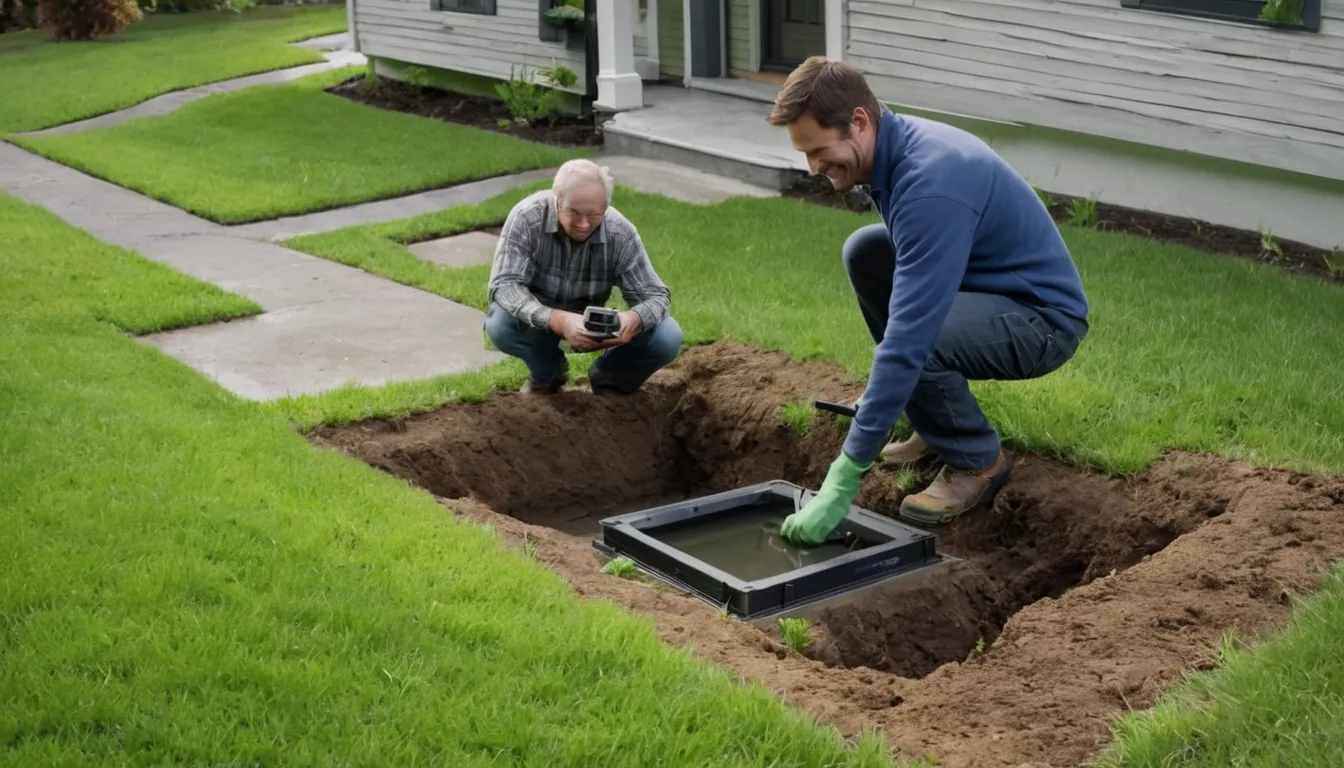
A sewer line carries everything from your house out to the street or to your septic system. In older homes, that pipe may be clay, cast iron or fiber, and it has seen decades of roots, shifting soil and past patch jobs. When it fails, you may see backups, bad smells or soggy spots in the yard.
Supposemale Septic is a referral service. We do not do the work. We help you understand your options, then connect you with independent local providers in the Chesterfield area who inspect the line, explain the repair and give a written quote. You decide what happens next, and you can ask questions before anyone starts digging.
Sewer Backup? Start Here
If wastewater is coming up through a floor drain, tub or toilet, treat it as a real problem. It is not just a clog. A broken or blocked main line can send waste back into your home.
Protect Your Home First
Stop using water. That means no laundry, dishwasher, showers or flushing. Every drop you send down has nowhere to go.
Keep kids and pets away from the wet area. Sewage can carry germs. Wear gloves and boots if you must step in it, and open a window if the smell is strong.
Request a callback to check provider availability. Many providers can respond quickly when a line is backing up, but hours vary.
Signs the Line Is Failing
Not every sewer problem starts with a flood. Watch for slower clues:
- Drains that gurgle or empty slowly in more than one spot
- A sewer smell in the basement or yard
- Green, lush or soggy patches over the pipe route
- Small sinkholes or dips in the lawn
- Mice, roaches or other pests entering from below
One slow sink is often a simple clog. Several slow drains at once point to the main line.
Why Older Homes Have More Sewer Trouble
Houses built many decades ago often have pipe that was never meant to last forever. Clay joints open up. Cast iron rusts from the inside. Fiber pipe can soften and collapse.
Past repairs add surprises. A patch from years ago may sit under a deck, a driveway or a garden. Records can be missing, so the first job is often finding where the pipe actually runs.
Roots, Cracks and Collapsed Pipe
Tree roots look for moisture. They slip into tiny cracks and grow into thick mats that catch waste. Over time they can crack the pipe wider.
Sagging sections, called bellies, hold water and solids. Those spots clog again and again, even after cleaning.
What Our Seasons Do to Buried Pipe
Cold winters with deep frost move soil and stress old joints. Spring flooding and heavy storms can overload the ground and push water into weak spots. Hot, humid summers keep roots growing fast.
In homes with full basements and sump pumps, extra groundwater can also make a cracked line worse.
Know Your Options Before Work Starts
A good provider explains choices in plain words. You should hear what is wrong, what could fix it and what each fix usually involves. Then you can compare written quotes.
Step One: A Camera Look Inside
Most providers start by sending a small camera through the pipe. You can often watch the screen. It shows cracks, roots, bellies and breaks, and it helps measure how far down the line the trouble sits.
Ask for a copy of the video if you can. It helps if you want a second opinion.
Spot Repair, Lining or Replacement
There are three common paths:
- Spot repair: Fix one short broken section. This works when the rest of the pipe is sound.
- Pipe lining: A resin liner is cured inside the old pipe. It can suit pipes with cracks but a mostly intact shape.
- Full replacement: Remove the old line and lay new pipe. It is often the choice when the pipe is collapsed or badly sagging.
The right answer depends on the camera findings, not a guess.
Digging or Trenchless
Traditional repair opens a trench along the pipe. Trenchless methods use small access holes instead. Trenchless can save a lawn, but it does not fit every job. Crushed pipe or deep bellies may still need digging.
Permits and Property Lines
Many repairs need a local permit, and some need an inspection once the work is done. Providers often know the local steps, but ask who handles the paperwork.
Also find out where your responsibility ends. In many places the homeowner owns the line up to the main in the street, but rules vary. Your town office can confirm.
Is It the Sewer Line or the Septic Tank?
If your home uses a septic system, backups can come from a full tank rather than a broken pipe. A provider may suggest emergency septic cleaning to rule that out. Camera work then shows whether the line itself is damaged.
Check Your Policy
Some policies may cover sudden damage, but many exclude wear and root damage. Check your policy and ask your insurer before work begins. Providers can often help document damage for a claim.
Getting Your Yard Back
Ask how the provider plans to handle the soil, grass, plants and any hard surfaces. Backfilled trenches settle over time, so ask about tamping and what to expect through the next season.
Questions to Ask the Provider
- Will you run a camera before quoting?
- Is the quote written and itemized?
- Which repair method do you suggest, and why?
- Who pulls the permit?
- What happens if you find something unexpected?
Keeping the Line Healthy
Flush only toilet paper and human waste. Keep grease out of drains. Plant trees well away from the pipe route. If the house is old, a camera check every few years can catch trouble early.
What's Included
Camera Line Inspection
A small camera runs through the pipe to find cracks, roots, bellies and breaks before any repair is chosen.
Spot Repairs
Providers can fix one broken section without replacing the whole line.
Pipe Lining Options
A liner can seal cracks inside an old pipe, and it may reduce digging in your yard.
Full Line Replacement
When old clay or cast iron has collapsed, providers can lay new pipe from house to connection.
Typical Sewer Line Repair Costs
Costs depend on pipe depth, length, material, access and local rules. These are typical U.S. ranges only. Always get a written quote before you agree to any work.
| Item | Typical range | Notes |
|---|---|---|
| Camera inspection | $150 – $600 | Often done first to find the problem |
| Drain cleaning of main line | $150 – $600 | Clears clogs, may not fix damage |
| Root removal | $200 – $800 | Roots often return if the pipe is cracked |
| Spot repair | $1,000 – $4,000 | Depends on depth and what sits above |
| Pipe lining | $3,000 – $12,000 | Varies by length and pipe condition |
| Full line replacement | $3,000 – $25,000 | Longer, deeper lines cost more |
How It Works
Reach Out First
Request a callback to check provider availability, or use the request form to describe your backup or warning signs.
Inspect the Line
A local provider usually runs a camera through the pipe to see what is wrong.
Compare Written Quotes
Review the repair method, scope and price in writing before you decide.
Approve and Repair
The provider handles permits, the repair and a plan for restoring your yard.
Why Call Supposemale Septic
Help With Older Homes
We focus on aging systems, where past repairs and hidden surprises are common.
Know Your Options
Understand the likely repair paths and next steps before anyone starts work.
Local Providers
Independent providers in your area do the work and give written quotes.
No Obligation
Ask questions and request an estimate without any pressure to move forward.
Other Services
Need sewer line repair services in Chesterfield?
Tell us what is happening with your septic or sewer system. Request a callback to check provider availability, or send a request and ask for an estimate.
No obligationSewer Line Repair Services FAQ
How do I know if my sewer line is broken?
Common signs include slow drains in several fixtures, gurgling sounds, sewer smells and soggy lawn spots. A camera inspection by a local provider can confirm whether the pipe is cracked, blocked or collapsed.
How long does sewer line repair take?
It depends on the method and the length of pipe. Spot repairs and lining can be quick, while full replacement takes longer. Ask the provider for a schedule in the written quote.
Does homeowners insurance cover sewer line repair?
Some policies may cover sudden damage, but many exclude wear, age and roots. Check your policy and ask your insurer. Providers can often help document damage for a claim.
Tell us what happened
Tell us what is happening with your septic or sewer system. Request a callback to check provider availability, or send a request and ask for an estimate.
No obligation