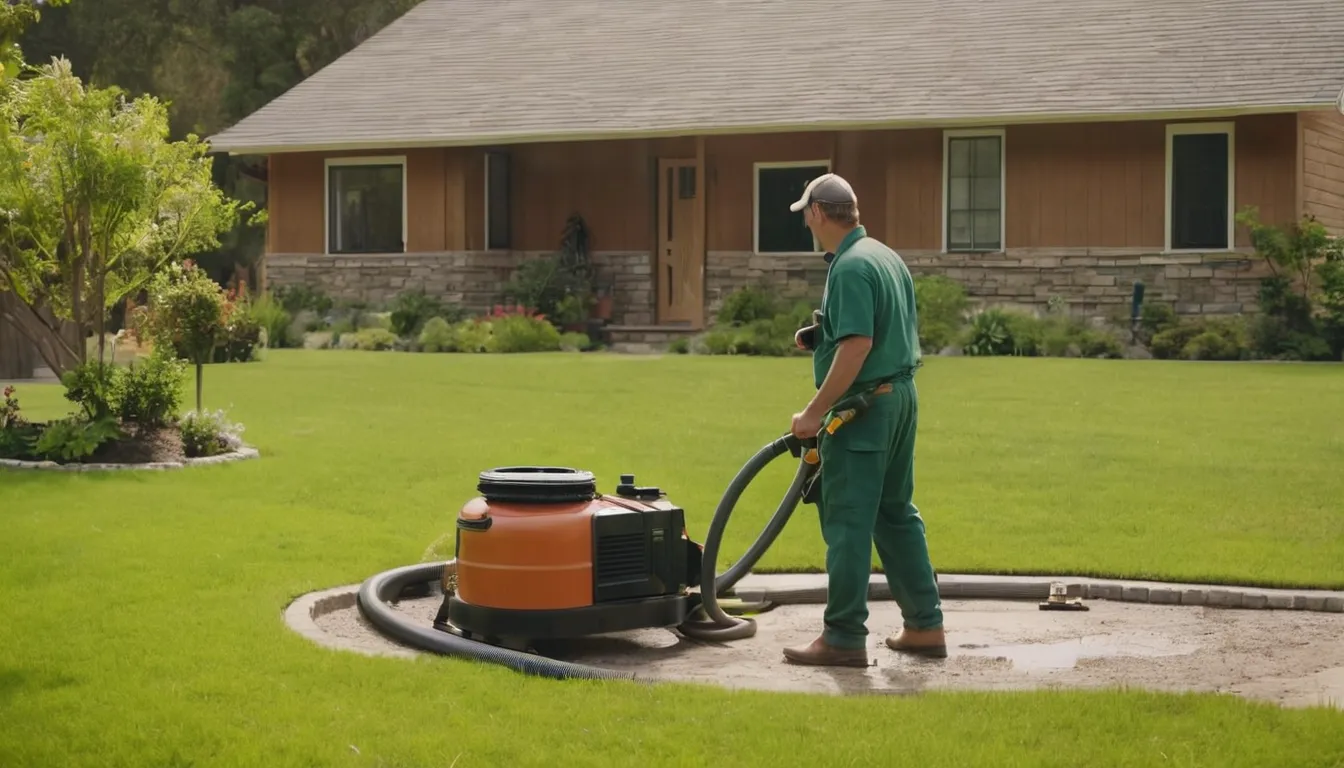
Septic Tank Pumping
A full tank can slow drains and cause backups, so learn your options and get a written quote first.
Slow drains, odd smells or a soggy yard? Supposemale Septic connects Chesterfield homeowners with independent local providers, so you can learn your options and get a written quote before any work starts.

A gurgling drain. A soggy patch in the yard. A bathroom that smells off after a heavy rain. In Chesterfield, MO, these signs often point to a septic or sewer problem, and older homes tend to show them first.
Supposemale Septic is a referral service. It does not do the work itself. Instead, it connects homeowners across the Chesterfield area with independent local providers who handle septic tank pumping, sewer line repair and septic system repair.
Here is how it goes. You describe what is happening. Supposemale Septic points you to a provider in the network who serves your part of Missouri. The provider looks at the system, explains what they find and gives you a written quote. Then you decide what comes next.
If the problem feels urgent, such as sewage backing up in a basement, start with the phone. Request a callback to check provider availability and describe what you see. Many providers can respond quickly, though hours vary from one to the next.
Not sure yet? That is fine. You can also request an estimate and sort through the options at your own pace, with no obligation.
Supposemale Septic is a matching service, not a repair company. You share what you are seeing. The service connects you with an independent provider in the network who works near you. That provider handles the inspection, the pumping or the repair, and sets the price and schedule.
Many frame houses, bungalows and ranch homes in the Chesterfield area are decades old. Their septic tanks may be aging steel or concrete. Sewer lines may be clay, cast iron or old fiber pipe. Past owners may have patched things without leaving records, and a tank lid can be buried and hard to find. A provider used to older properties expects surprises and often starts by locating and inspecting before suggesting a fix.
A septic or sewer problem rarely has just one answer. Pumping may be enough when a tank is simply full. A yard that stays soggy may call for drainfield repair. A cracked or root-filled sewer line might be cleared, lined or dug up and replaced. Ask the provider to explain each path, the likely cost range and what could change the plan. Typical U.S. costs vary widely by job, so always get a written quote.
Expect questions about the age of the home, past repairs and the symptoms you have noticed. The provider may check the tank level, run a camera down a line or walk the yard. Then you should get a clear explanation in plain words, with next steps you can think over.
Supposemale Septic serves homeowners in Chesterfield and across the Chesterfield area. The housing here is a mix. You will find frame houses from many decades, plus bungalows and ranch homes, most with full basements and sump pumps. Many rely on septic systems, and others connect to older sewer lines under the street or yard.
Providers in the network cover different parts of Missouri, so availability and travel range depend on where you live. When you reach out, share your town, the age of the home and what you are noticing. That helps match you with someone who works nearby.
Rural and edge-of-town properties sometimes have a private well close to the septic field. If you also have questions about water well service, mention it. Some providers can help, or can point you toward someone who can.
Not sure your address is covered? Request a callback to check provider availability for your area.
Prefer to write it all down first? Send a request and ask for an estimate. You can add details about the home, past repairs and anything odd you have seen.
Cold winters push frost far into the ground. Snow cover, ice and buried lids can make a tank hard to reach, so pumping often gets scheduled before the ground hardens.
Melting snow and spring flooding can saturate a drainfield. If the ground stays wet and the drains slow down, a provider can tell you whether the soil or the system is the problem.
Heat and humidity bring more laundry, guests and long showers. A tank that was fine in March may feel the strain by July.
Severe storms can knock out power to sump pumps and drop heavy rain on the yard. Check for backups and wet spots once the weather passes.
A full basement with a sump pump is common here. If a floor drain gurgles or backs up, tell the provider where it is and when it happens.
Older single-level homes often have long, shallow pipe runs. Roots, settling and sags can build up quietly over the years.
Write down pumping dates, repairs and where the tank lid sits. Even rough notes help the next provider understand your older system faster.
Ready to find out what is going on with your system? Request a callback to check provider availability and describe the problem in your own words. Hours vary by provider, so it helps to share your address and what you have noticed.
If you would rather take it step by step, request an estimate and compare your options without any obligation.
Many households pump every three to five years, but it depends on tank size, household size and water use. Older systems may need a closer look. A local provider can check sludge levels and suggest a schedule that fits your home.
Common signs include slow drains, gurgling pipes, sewage smells outdoors, and soggy or unusually green grass over the tank or drainfield. Backups in a basement drain are a serious warning. A provider can confirm the cause and recommend pumping or repair.
Typical U.S. pumping prices often run a few hundred dollars, but tank size, access and location change the total. Buried lids and added work can raise it. Always ask the provider for a written quote first.
It can be. Backups may carry health risks and can damage floors and belongings. Stop using water, keep people and pets away, and call a provider. Ask whether they offer emergency septic cleaning and check provider availability.
No. Supposemale Septic is a referral service. It connects homeowners with independent local providers who inspect, pump and repair systems. The provider sets the price, schedule and scope of work. Ask for a written quote, and use the estimate request if you want to compare options before choosing.
Tell us what is happening with your septic or sewer system. Request a callback to check provider availability, or send a request and ask for an estimate.
No obligation
Three kinds of help are listed below. Each card shows what the work usually involves, when it tends to be needed and what to ask a provider before you agree to anything.
A full tank can slow drains and cause backups, so learn your options and get a written quote first.
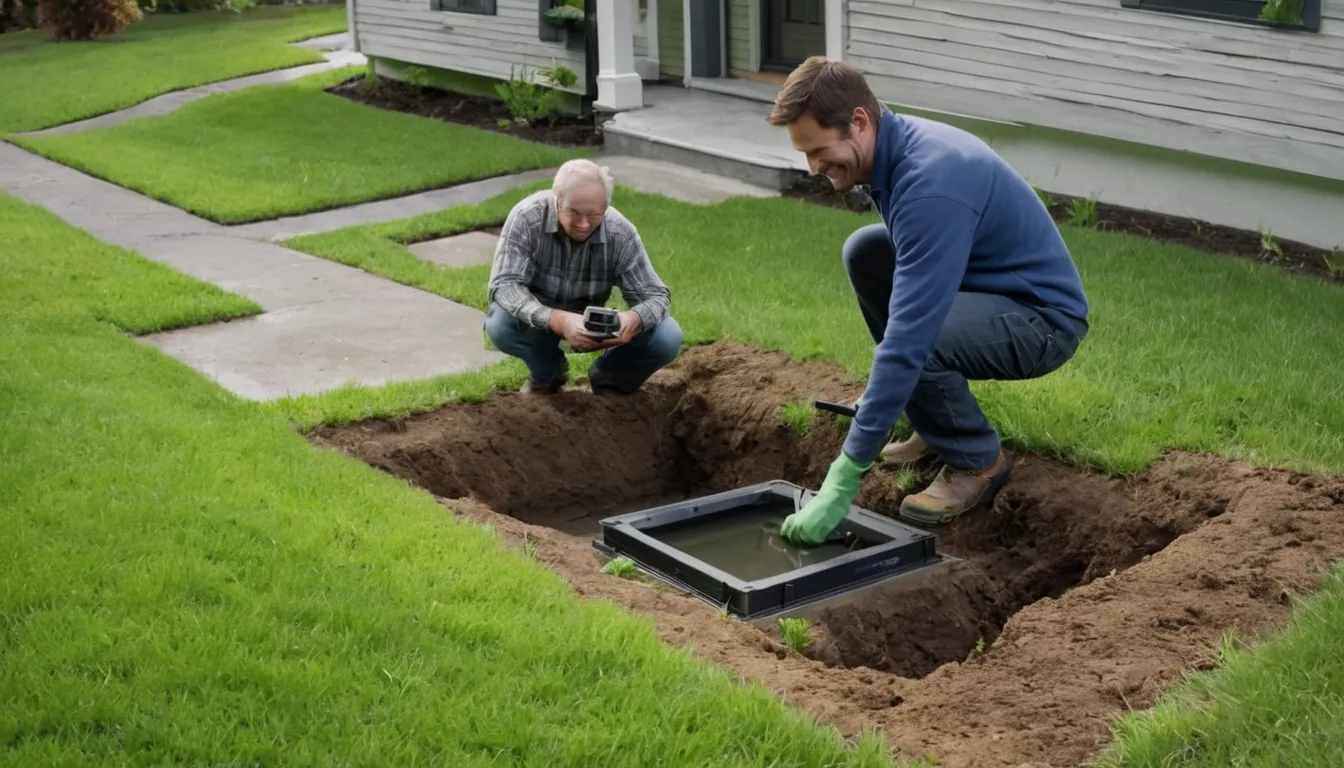
Slow drains, gurgling pipes or a wet yard can mean a broken sewer line that needs a look.

Slow drains, soggy grass or odors can mean your septic system needs repair, and local providers can help sort it out.
Tell us what is happening with your septic or sewer system. Request a callback to check provider availability, or send a request and ask for an estimate.
No obligation