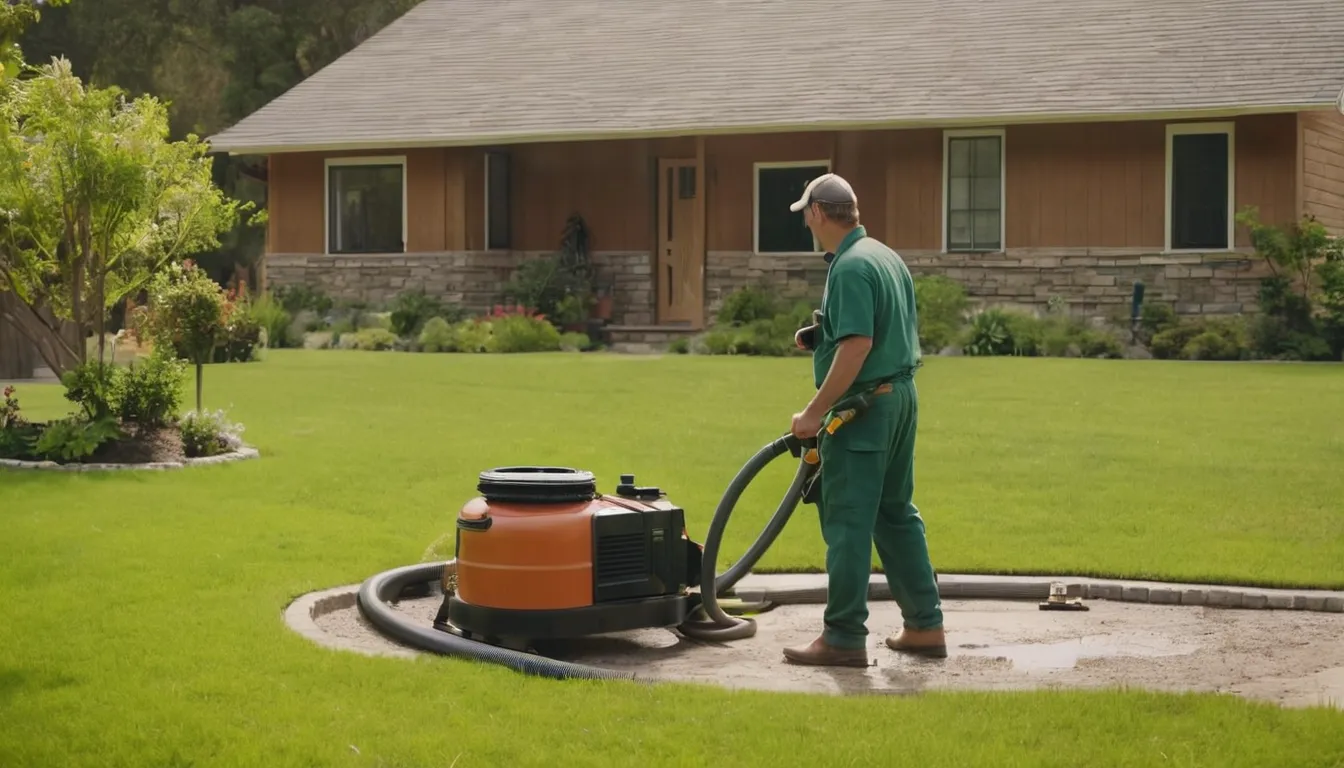
Septic tank pumping removes the sludge and scum that build up inside your tank. Over time, those layers take up room, and wastewater has less space to settle. When the tank gets too full, solids can slip toward the drainfield and cause costly harm.
Supposemale Septic is a referral service. We do not pump tanks ourselves. We connect homeowners in Chesterfield and the Chesterfield area with independent local providers who do the work and give written quotes. Older houses often have tanks with unknown history, buried lids and past repairs. That is why we help you know your options and ask before work starts.
Is Your Tank Full or Overdue? Start Here
Some signs are easy to spot. Drains gurgle. Toilets flush slowly. A sour smell hangs around the yard. Water pools over the tank or drainfield.
If you see these signs, treat them as urgent. A backup in a basement is messy and hard to clean. Many providers can respond quickly, but availability varies.
Signs That Need Attention First
Some clues mean you should stop and act soon.
- Sewage backing up into a floor drain or basement
- Standing water or soggy soil above the tank area
- Several fixtures draining slowly at once
- Bright green, lush grass over one patch of the yard
If wastewater is coming up inside the house, limit your water use. Skip laundry and long showers until a provider can look at it.
Emergency Septic Cleaning: What It Means
Emergency septic cleaning is a pumping visit for a tank that is already backing up or overflowing. It is usually more urgent than a routine visit. The provider pumps out the tank and checks why it filled so fast.
A backup can point to a full tank, a blocked outlet or a problem in the drainfield. Pumping may bring relief, but it may not fix the cause. Ask the provider what they find.
Why Regular Pumping Matters
A tank is a settling chamber. Solids sink, grease floats and clearer water moves out to the drainfield. Pumping clears the solids so that process keeps working.
Skipping pumping can lead to clogged soil, which may call for drainfield repair. That repair is often far more costly than a routine pump-out. Regular service is the cheaper path in most cases.
How Often Should You Pump?
There is no single answer. Many homes fall in a range of about three to five years. The right timing depends on a few things.
- Tank size and the number of people in the home
- How much water you use each day
- Whether you use a garbage disposal
- The age and condition of the system
If you do not know when the tank was last pumped, treat it as overdue. Ask a provider to check the sludge level.
Special Care for Older Homes
Frame houses, bungalows and ranch homes from many decades ago often have older tanks. Some are concrete. Some are steel, and steel can rust through. Some may have been added to or patched over the years.
Lids may be buried under sod or a deck. Records may be missing. A good provider will take time to find the tank, look at its condition and tell you what they see before they start.
What Happens During a Pumping Visit
The provider finds and opens the access lids. A hose goes into the tank, and a truck pulls out the liquid and solids. The provider then looks at the inside walls, baffles and water level.
Expect the visit to take a short time for a simple job. Buried lids or a very full tank can add time. Ask for notes on what was found.
Pumping and Inspections
A pumping visit is a good moment for a closer look. With the tank empty, a provider can check for cracks, damaged baffles and signs of backflow from the drainfield.
Some inspections are basic. Others are more detailed and may cost more. Ask which one you are getting so there are no surprises.
Seasonal Timing in Our Region
Cold winters with deep frost can make lids hard to reach. Frozen ground may slow access. Spring flooding can fill the soil around the system and stress the drainfield. Heavy summer storms can do the same.
Many homeowners schedule pumping in a drier, milder season. If your tank is full now, though, do not wait for better weather.
Buying or Selling a Home With a Septic System
Buyers often ask for a pump-out and inspection before closing. Sellers can get ahead of this by pumping first and keeping the paperwork.
For an older home, a clear report helps both sides. It shows the tank's condition and any repairs that may be needed. Rules differ by area, so check local requirements.
Caring for Your System Between Pumpings
Small habits protect the tank.
- Spread laundry across the week
- Fix leaking toilets and faucets
- Keep grease, wipes and paper towels out of drains
- Keep cars and heavy loads off the tank and drainfield
- Use sump pump discharge away from the drainfield
If you also rely on a private well, mention that to the provider. Water well service and septic care often go hand in hand on rural lots.
Questions to Ask the Provider
Know your options before work starts. Ask these questions.
- What is the total price, and is it in writing?
- How will you find the tank if the lid is buried?
- What will you check once the tank is empty?
- Will you note any damage or needed repairs?
- What do you do with the waste?
A clear answer is a good sign. Vague answers are a reason to ask another provider.
What's Included
Tank Pumping
A provider removes built-up sludge and scum so your tank has room to settle wastewater properly.
Lid Location
Providers can often find and uncover buried lids, which is common on older properties.
Condition Check Inside
Once the tank is empty, the provider looks at walls, baffles and water levels.
Written Notes
Ask for a written quote beforehand and notes afterward on what was found and next steps.
Typical Septic Pumping Costs
Prices vary by tank size, location, access and how full the tank is. These are typical U.S. ranges only. Ask any provider for a written quote before work starts.
| Item | Typical range | Notes |
|---|---|---|
| Routine pumping, standard tank | $300 – $650 | Depends on tank size and local rates |
| Large tank (1,500+ gallons) | $450 – $900 | More volume means more time |
| Digging to uncover buried lid | $100 – $400 | Common on older homes |
| Riser and lid installation | $300 – $900 | Makes future access easier |
| Basic tank inspection | $100 – $350 | Often paired with pumping |
| Emergency or after-hours visit | $500 – $1,000 | Availability and fees vary |
How It Works
Describe the Problem
Tell us about slow drains, odors or backups, and when the tank was last pumped if you know.
Know Your Options
Learn what pumping covers and whether an inspection makes sense.
Get a Written Quote
A local provider reviews the details and gives a quote you can read first.
Schedule the Visit
Pick a time that fits. The provider pumps the tank and shares findings.
Why Call Supposemale Septic
Older Homes
Aging tanks, buried lids and missing records are common. Providers in our network are used to these surprises.
Plain Answers
We explain your options in simple words so you know what to expect before work.
Local Providers
Independent providers know local soil, frost and spring flooding.
Written Quotes
Ask before work starts. Providers give written quotes so you can compare.
Other Services
Need septic tank pumping in Chesterfield?
Tell us what is happening with your septic or sewer system. Request a callback to check provider availability, or send a request and ask for an estimate.
No obligationSeptic Tank Pumping FAQ
How often should a septic tank be pumped?
Many homes need pumping every three to five years. Household size, water use and tank size change that. A provider can check your sludge level and suggest a schedule.
How much does septic tank pumping cost?
Typical U.S. prices run from about $300 to $650 for a standard tank. Costs vary by size, access and location, so ask for a written quote before work starts.
Can I keep using water if my tank is full?
Yes, cut back on water use. Extra water can push a full tank into backing up. Skip laundry and long showers until a provider can take a look.
Tell us what happened
Tell us what is happening with your septic or sewer system. Request a callback to check provider availability, or send a request and ask for an estimate.
No obligation